
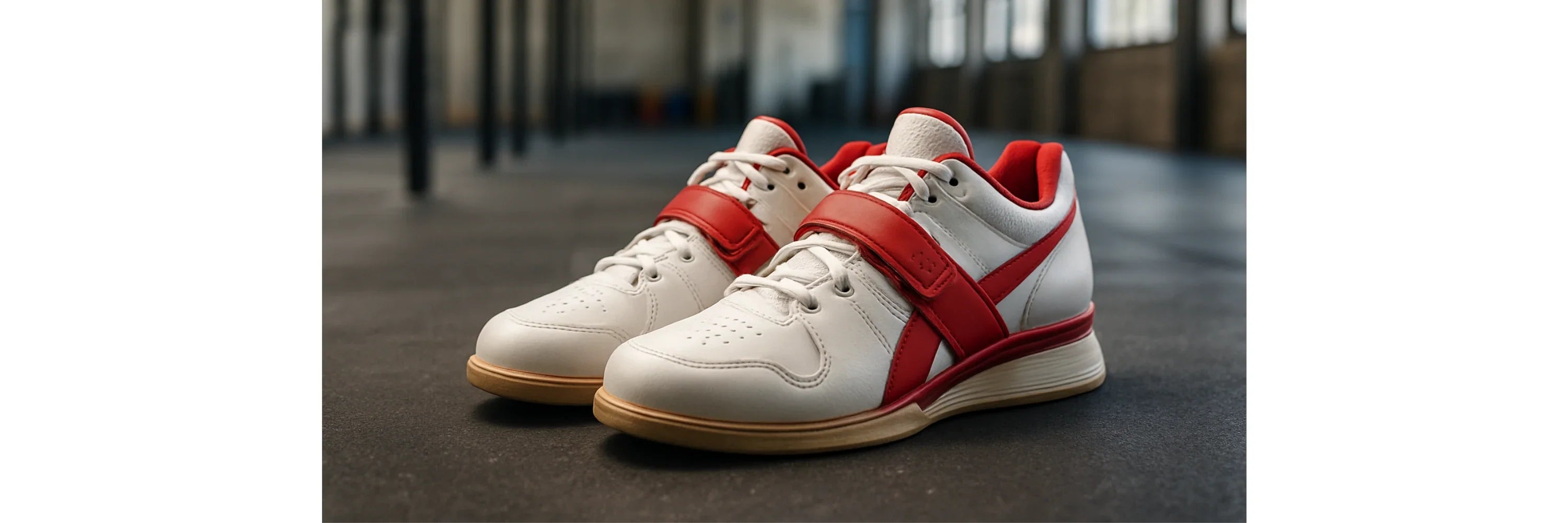
What are the advantages of weightlifting shoes and how do you find the right model for you?
If you are serious about weightlifting, you know that the right equipment can make a big difference. This also includes the right shoes. Weightlifting shoes are specifically designed to maximize your performance, facilitate certain movements, and simultaneously minimize the risk of injury. But what makes a good weightlifting shoe, and how do you find the perfect one for you?
What are the requirements for weightlifting shoes?
A good weightlifting shoe has a very firm and non-compressible sole. This ensures that you have a stable base and can transfer maximum force to the ground. Soft or cushioned soles can impair stability and make power transfer inefficient. A somewhat wider contact surface is also desirable, as this contributes significantly to better stability. Another feature is the raised heel. Weightlifting shoes typically have a raised heel between 0.5 and 1 inch higher than the front of the shoe. This elevation helps you achieve a better knee and hip position and enables a deeper squat if you have limited ankle mobility. Additionally, the wedge allows you to keep your torso more upright in the squat.
Your shoes should fit snugly around your foot to avoid lateral movements while still not constricting the foot too much. A secure closure, often using laces and additional Velcro straps, keeps your foot firmly in the shoe. Weightlifting shoes must be made of durable material that can withstand constant stress. Leather or synthetic materials are common and offer a good mix of durability and support. The outsole should provide enough traction to prevent slipping on the floor, especially on smooth surfaces. Since weightlifting often involves lateral movements and foot rotations, the shoes should offer good lateral support to prevent injuries. Breathable materials or ventilation openings ensure that your feet remain cool and dry during intense training sessions.
How to find the right model for you
To find the right weightlifting shoe for you, you should test your mobility. Check the mobility of your ankles, hips, and knees. Limited mobility can benefit from a higher heel, as it facilitates a deeper squat. Consider the type of exercises you primarily perform. If you mainly do Olympic weightlifting (snatch and clean & jerk), a higher heel is often advantageous. For squats and general strength training, a moderate heel height might be more suitable.
Test different heel heights by placing weight plates under your heels. Pay attention to how different heights affect your technique and comfort. A coach or experienced weightlifter can give you valuable feedback on which heel height and shoe type are best for you. The shoe must feel good and must not pinch. Even if a certain height seems technically sensible, personal comfort is decisive.
When buying, make sure that the shoe fits snugly but is not uncomfortable. There should be no lateral movement inside the shoe. Choose shoes made of durable material that is also breathable. Ensure that the shoe has both laces and Velcro straps to guarantee a firm fit. The sole should be firm and non-compressible, with good traction for slip-proof stability.
What are current weightlifting shoe models?
In 2024, there are several very good models of weightlifting shoes that impress with their function, quality, and durability.
Nike Romaleos 4: Known for their stability and durability, with an excellent fit and double Velcro straps for extra support.
Adidas AdiPower 3: Lightweight and stable, with an excellent combination of comfort and support, ideal for Olympic weightlifting.
Reebok Legacy Lifter II: Very stable and well-cushioned, perfect for heavy lifts and offering good foot support. Also well-suited for wide feet.
Anta 2.0 Weightlifting Shoes: Robust and stable, with adjustable straps for a secure fit and popular with professionals.
Asics TOW 727: Comfortable and durable, with a flat and stable sole and good value for money.
Do-Win Weightlifting Shoes: Wider fit and very stable, particularly suitable for powerlifting.
TYR L-1 Lifter: Offers a firm sole, good heel height, and excellent stability, ideal for various weightlifting disciplines.
Inov-8 Fastlift: Offers a firm sole, good heel height, and excellent stability, ideal for various weightlifting disciplines.
Conclusion
Weightlifting shoes are an essential part of your equipment if you are serious about weightlifting. They provide the necessary stability, support, and comfort to maximize your performance and minimize injuries. When buying a weightlifting shoe, you should look for a firm, non-compressible sole, a suitable heel height, a good fit, and lateral support. Test different models and heel heights to find the best option for your individual needs and mobility requirements.



