
What is there to know about the weight plates in Olympic weightlifting?
Weightlifting is an effective method for building strength, endurance, and muscle mass. An often overlooked but crucial aspect of weightlifting is correctly layering the weight plates on the barbell. Improper handling can not only compromise the effectiveness of your training but also lead to injuries. In this article, we dive into the best practices and techniques for loading the barbell to ensure a safe and efficient workout.
Basic Principles of Layering
The heaviest plates should always be loaded onto the bar first. This ensures that the weight is positioned as close to the center of the barbell as possible, which improves balance and stability. Furthermore, placing the plates symmetrically on both sides of the bar is essential to ensure equilibrium and prevent one-sided training. Always make sure that there are the same number and weight of plates on both ends of the bar. In competitions and many gyms, weight plates are sorted according to international color and weight codes. This facilitates the quick identification of weights and prevents confusion.
Weight Plates: Colors and Thicknesses
Weight plates are often color-coded and have different thicknesses depending on their weight. Here are the typical colors and thicknesses of the plates most commonly used:
- 25 kg (Red): approx. 64 mm (2.5 inches)
- 20 kg (Blue): approx. 56 mm (2.2 inches)
- 15 kg (Yellow): approx. 48 mm (1.9 inches)
- 10 kg (Green): approx. 36 mm (1.4 inches)
- 5 kg (White or Black): approx. 25 mm (1 inch)
- 2.5 kg (Red): approx. 22 mm (0.87 inches)
The Best Way to Load the Barbell
Place the barbell on a stable rack or on the floor. The bar should not roll away under any circumstances. Some gyms also provide a loading aid (barbell jack). This makes loading the bar even easier. Begin with the heaviest plates. For example, slide one red 25 kg plate onto each side of the bar. Make sure that the weight plates lie firmly against the inner sleeve of the barbell. Next, add the next lightest plates until the barbell is loaded with your target weight. Finally, double-check that there is truly an equal amount of weight on both sides. Once all the desired plates are on the bar, you still need locking clamps (also known as "clips" or "collars") to keep the plates firmly in place. This prevents the plates from shifting during the lift, which is especially important for exercises like the clean, clean and jerk, and snatch.
Example of Loading 150 kg
Assuming you want to lift 150 kg:
- 25 kg plates (Red, 64 mm): 2 per side (100 kg)
- 10 kg plates (Green, 36 mm): 1 per side (20 kg)
- 5 kg plates (White or Black, 25 mm): 1 per side (10 kg)
- Bar (Men's) 20 kg or (Women's) 15 kg
- Weight of all plates: 100 kg + 20 kg + 10 kg = 130 kg
- Total weight of the barbell: 150 kg (Men's bar) or 145 kg (Women's bar)
Additional Tips
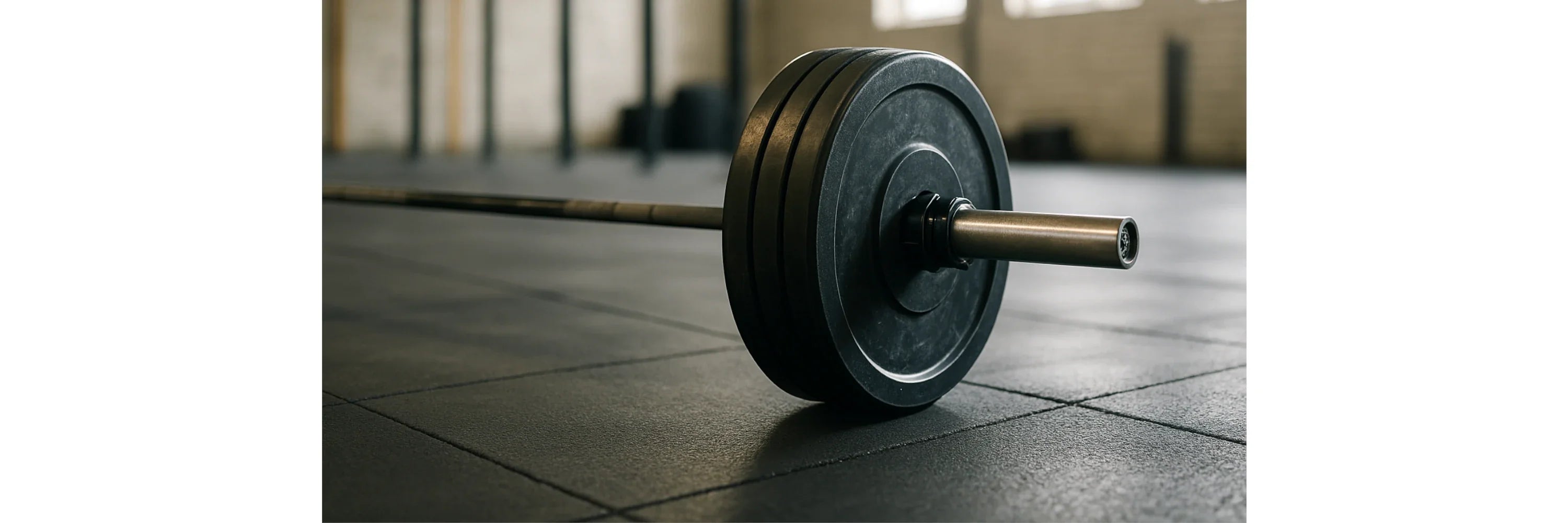
Bumper plates are especially useful in weightlifting and CrossFit because they are made entirely of rubber and therefore protect the floor and the plates themselves when dropped. They can be layered just like normal weight plates.
The clips should be tight and positioned close to the outermost plates to minimize movement. They provide additional safety and stability.
Before lifting, check again to ensure the plates are sitting symmetrically and neatly on the bar and that the locking clamps are properly attached. A quick check prevents injuries or one-sided strain.
Conclusion
Correctly layering weight plates on a barbell is a fundamental yet crucial skill for every weightlifter. By following the steps and tips mentioned above, you can ensure that your workout is not only effective but also safe—whether in the weight room, at a CrossFit box, or in your home gym.



